
Every Custom Home Has a Story—Here’s What Really Drives the Price
If you’ve ever compared two custom homes of the same size and wondered why one costs hundreds of thousands more, you’re not alone.
In the Texas Hill Country, costs can swing widely based on design, materials, and the land itself. As hands-on builders, we see these variables every day—so we put together a list of the 21 biggest cost factors that can make or break your budget.
🏞️ Site & Lot Conditions
1. Lot Selection & Utilities
If your lot has power, water, and sewer near the front, you’re in luck. The farther utilities need to run—or if a well or septic system is required—the more you’ll spend on infrastructure before the house even begins.
2. Driveway and Access
A steep or rocky property means extra grading, retaining walls, or engineered driveways. We’ve seen driveways range from $90K to $225K depending on slope and design.
3. Terrain and Soil Conditions
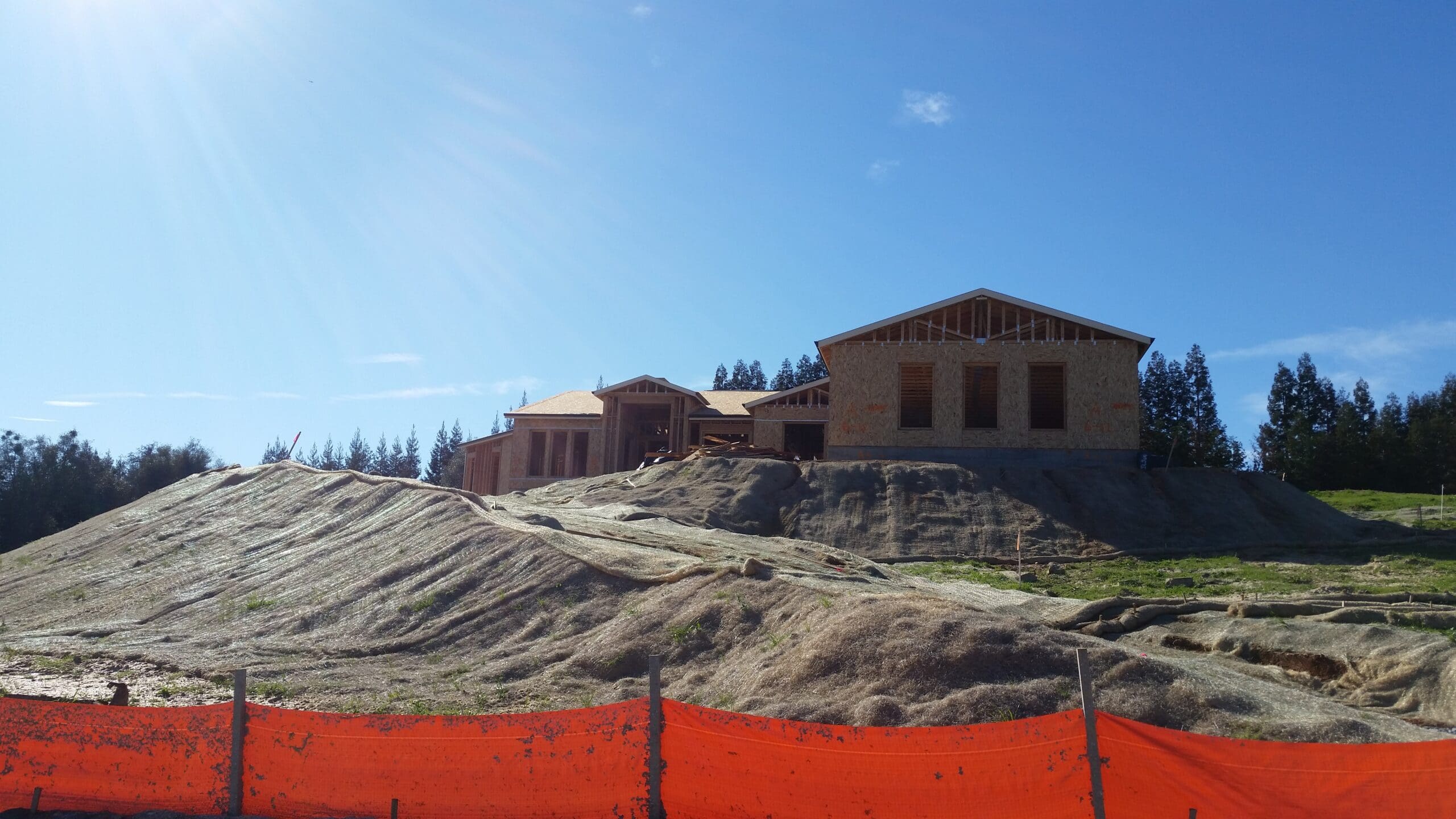
Hill Country terrain can be beautiful—and unpredictable. Uneven lots often require engineered foundations or extra retaining, both of which add cost.
🏗️ Structural & Design Choices
4. Home Shape and Elevation
Simple rectangular layouts are more affordable than complex footprints with curves, wings, and dramatic rooflines.
5. Floor Plan Complexity
Open-concept designs with high ceilings require additional structural support and expensive materials to carry heavy roof loads.
6. Roof Selection
A standing-seam metal roof looks incredible but costs roughly twice as much as a standard architectural shingle roof.
7. Staircase Design
Custom staircases can range from $22K to $59K depending on materials and detail. Often, a simpler design delivers the same impact for far less.
💡 DMH Tip: Sometimes a $20 tweak in materials saves $2,000 in installation. Always ask your builder how a design choice impacts labor.
🪵 Materials & Finishes
8. Windows and Doors
From standard Andersen 100-series to floor-to-ceiling Marvin panels, window packages can vary from $13K to $119K. A balanced design often provides stunning views without breaking the bank.
9. Cabinets and Countertops
White shaker cabinets may cost around $15K, while custom white-oak frameless cabinetry can exceed $120K. Granite and quartzite counters range from $20K to $100K+, depending on the stone.
10. Flooring and Tile
Expect anywhere from $5 to $25 per sq ft, with premium materials or detailed patterns costing more.
11. Trim, Lighting & Fixtures
Crown molding, wainscoting, and statement lighting can quickly elevate a home—and its cost. Keep it clean and intentional to maintain balance.
12. Appliances
Quality mid-range packages often land between $10K and $20K, while luxury brands can push $30K to $60K.
💡 Comfort Systems & Technology
13. HVAC Systems
Energy-efficient systems generally range from $16K to $35K, depending on home size and zoning.
14. Audio/Visual and Smart Home Systems
Low-voltage wiring, alarms, and A/V packages can add a few thousand—or tens of thousands—depending on tech level.
15. Plumbing & Electrical Upgrades
Designer fixtures, outdoor kitchens, or additional outlets and water lines all increase material and labor costs.
🌳 Outdoor Features & Curb Appeal
16. Front Doors
You can spend $3K to $50K depending on design, glass, and materials.
17. Garage Doors
Stylish glass or custom wood doors look sharp but cost more than standard models—try instead only
four stacked glass panes on one side of door, this brings the costs way down. Taller 8-ft doors are worth the upgrade if you drive a truck.
18. Landscaping
Even modest landscaping starts around $5K, but elaborate designs with irrigation and lighting can reach $100K+.
19. Pools and Water Features
A backyard pool or spa typically ranges from $75K to $200K.
20. Exterior Materials & Stone Work
Natural stone, stucco, or specialty siding significantly affect exterior costs—and long-term maintenance.
21. Finishing Touches & Customization
Built-ins, outdoor kitchens, and unique design details personalize your home but add both cost and character.
💡 DMH Tip: Complex rooflines and extensive glass look amazing — but design smartly to keep engineering costs down without losing curb appeal.
How to Use This List When Planning Your Build
Think of these 21 factors as a roadmap for smarter budgeting. The earlier you involve your builder, the more control you’ll have over where your money goes—and where you can save.
At DMH Development, we help clients weigh the options, choose materials strategically, and design homes that look high-end without unnecessary costs.
Plan Smarter with DMH Development
Whether you’re building on your own lot or one of ours, our hands-on approach ensures you understand how every decision affects your budget.
👉 Contact DMH Development today to start planning your custom Hill Country home.
And if you haven’t read it yet, check out:
➡️ How Much Does It Really Cost to Build a Custom Home in the Texas Hill Country?
➡️ How to Stay on Budget When Building Your Dream Home
Be The First To Comment