
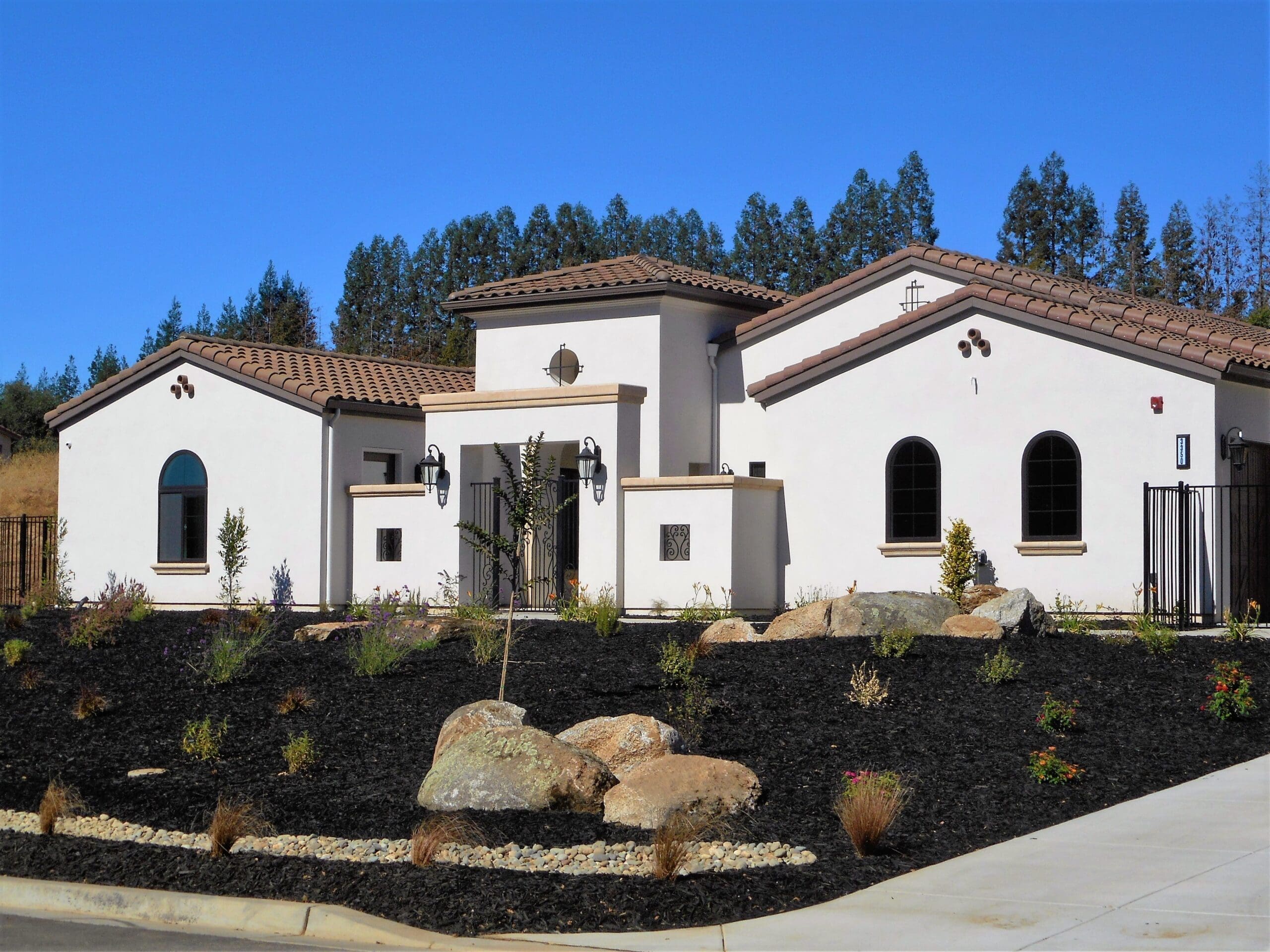
Designing your dream home is an exciting step. You’ve made a big decision, and that decision deserves a little credit—so yes, take a moment and pat yourself on the back.
Now… let’s talk reality.
At DMH Development Corp, we’ve been involved in hundreds of projects across Central Texas, and we can tell you this with confidence: most budget problems don’t start during construction—they start during design.
Beautiful plans are easy to draw. Homes that can actually be built within a real budget? That takes clarity, collaboration, and the right process from day one.
Let’s walk through how to design a home you’ll love and be able to afford—especially here in the Texas Hill Country.
Before You Start Designing, You Need One Mindset Shift
We like to say this early because it matters:
This is your dream—but you’re also the Captain of the ship.
That means:
- Owning the decisions
- Asking questions
- Staying grounded in reality, not “dreamland”
Dreaming is great. But wishing something will work financially doesn’t make it so. The more you understand how design decisions affect cost, the easier it becomes to steer your project in the right direction.
🔑 Key takeaway: A dream home only becomes real when the design, budget, and build process are aligned.
Need help chatting it over with a friendly professional? Contact Team DMH 😎
The Most Common (and Costly) Home Design Mistake We See
One of the biggest mistakes homeowners make is designing a home without understanding realistic construction costs for their area.
We’ve seen homeowners spend a year (or more) paying for plans—only to discover later that the home they designed would cost double or triple what they can afford to build.
In Texas Hill Country, construction costs can vary widely based on:
- Slope and terrain
- Soil conditions
- Structural engineering requirements
- Access and site prep
- Finish level and architectural complexity
If you don’t have a rough cost-per-square-foot range in mind before designing, you’re essentially guessing—and guessing gets expensive fast.
👉 If you’re early in the process and want a reality check on budget vs. vision, it’s worth having a builder conversation sooner rather than later.
Three Ways to Design a Custom Home (And What You Should Know About Each)
There’s no one “right” way to design a home—but each path comes with trade-offs. Here’s a clear breakdown.
Option 1: Hiring a Draftsperson
Many homeowners start here because it feels straightforward and cost-effective.
Typical costs:
- Stock plans: $500–$5,000
- Custom drafting: $1–$3 per square foot or flat fees ranging from $1,500–$7,500
Pros:
- Lower upfront design costs
- Faster turnaround
- Flexible design changes
Cons:
- Plans may lack critical details
- Approval issues with local jurisdictions
- Subcontractors may struggle to price accurately
- Design choices may unintentionally add major construction costs
If you go this route, regional experience matters. A draftsperson familiar with Central Texas codes, soils, and engineering requirements can save you headaches later.
👉 Pro tip: Once your floor plan and elevations are close, invest in proper structural engineering. It’s money well spent.
Option 2: Hiring an Architect
Architectural plans offer a high level of detail and design flexibility—but detail comes at a cost.
Typical costs:
- $15,000 to $100,000+ depending on size and complexity
Pros:
- Thorough documentation
- Strong aesthetic and design intent
- Helpful for higher-end homes
Cons:
- Design costs add up quickly
- Plans can become “bloated” with expensive details
- If not carefully reviewed, specs may exceed your construction budget
Here’s something many homeowners don’t realize:
Builders are contractually obligated to price and build what’s shown on the plans.
That means:
- If a detail is drawn, it gets priced
- If a material isn’t specified, assumptions get made
- If you meant something simpler—but didn’t say so—it still costs real money
👉 If you hire an architect, always share your target construction budget early and review every sheet carefully as plans progress.
Did you know Team DMH partners with local architects in Texas Hill Country to make sure each home design stays on time and on budget? Contact us to learn more about our architect partnerships 🏠🔨😎
Option 3: Designing With a Builder First (The Overlooked Option)
This is the option most people don’t consider—but often should.
When you design with a builder from the start:
- Budget and design evolve together
- Costs are discussed in real time
- Expensive missteps are caught early
- Plans are created with construction in mind
A good builder isn’t a “yes person.”
They’ll tell you when something adds unnecessary cost—and they’ll usually offer alternatives that achieve a similar look or function for less.
At DMH, we often help guide:
- Layout efficiency
- Structural simplifications
- Material selections
- Site-specific challenges unique to Hill Country properties
👉 Many small builders will credit design fees toward construction if you move forward with them—making this path both practical and cost-effective.
Why Plans and Budget Must Be Developed Together
Here’s the hard truth:
Plans don’t overrun budgets—unmanaged details do.
A few unchecked design choices can add tens (or hundreds) of thousands of dollars:
- Stair systems
- Exterior stonework
- Structural spans
- Roof complexity
- Grade changes and retaining walls
When homeowners design first and bid later, builders are forced to price exactly what’s shown—even if it’s far more than what was intended.
That’s why sending plans out for multiple bids doesn’t always give you clarity. It often just confirms that the plans cost more than expected.
👉 Clarity during design protects your budget far better than competitive bidding after the fact.
How to Set Yourself Up for a Successful Design Process
Here’s something you can do right now that makes a big difference:
- Look at floor plans online
- Walk model homes in your area
- Take photos of what you like (and don’t like)
- Note must-haves vs. nice-to-haves
- Save elevation styles you’re drawn to
Put it all in one folder.
When you meet with a draftsperson, architect, or builder, this gives them instant insight into your taste—and keeps the design process focused.
Designing for Texas Hill Country Is Different
Building in Central Texas isn’t the same as building on a flat lot in a subdivision.
Hill Country projects often involve:
- Steep slopes
- Challenging access
- Specialized foundations
- Drainage planning
- Additional inspections and engineering
That’s why regional experience matters. Design decisions that work elsewhere can become costly surprises here if the team isn’t familiar with local conditions.
👉 If you’re building in Canyon Lake or the surrounding Hill Country, working with professionals who understand the land is critical.
We’d love to help you design your Texas Hill Country home. Reach out to Tom and Dillon here 😎
Final Thoughts: A Dream Home Should Be Built—Not Just Designed
The goal isn’t just a beautiful set of plans.
The goal is a home that:
- Fits your lifestyle
- Fits your land
- Fits your budget
- Actually gets built
When design and construction work together, your dream stays intact—and your budget stays protected.
FAQs: Designing a Custom Home in Texas Hill Country
How much does it cost per square foot to build in Texas Hill Country?
Costs vary widely, but many custom homes range from $180 to $350+ per square foot, depending on terrain, finishes, and structural complexity.
Should I design my home before talking to a builder?
We recommend at least an early builder consultation. It can prevent designing something that’s unrealistic for your budget or site.
Is it cheaper to use stock plans?
Stock plans can reduce upfront design costs, but may require modifications, engineering, and adjustments that add cost later—especially in Hill Country terrain.
Can a builder really help with design?
Yes. Builders understand how drawings translate into real costs and construction methods. A good builder helps guide design decisions before they become expensive mistakes.
Do I still need an architect if I work with a builder?
Sometimes. Many builder-led projects still involve architects or engineers—but with the builder guiding the process to keep things aligned with budget and constructability.
Thinking About Building in Central Texas?
If you’re planning a custom home in the Texas Hill Country and want guidance from builders who design with construction, budget, and livability in mind, Dillon and Tom at DMH Development Corp are happy to help.
👉 Reach out early—it’s the easiest way to avoid expensive surprises later.
Be The First To Comment