
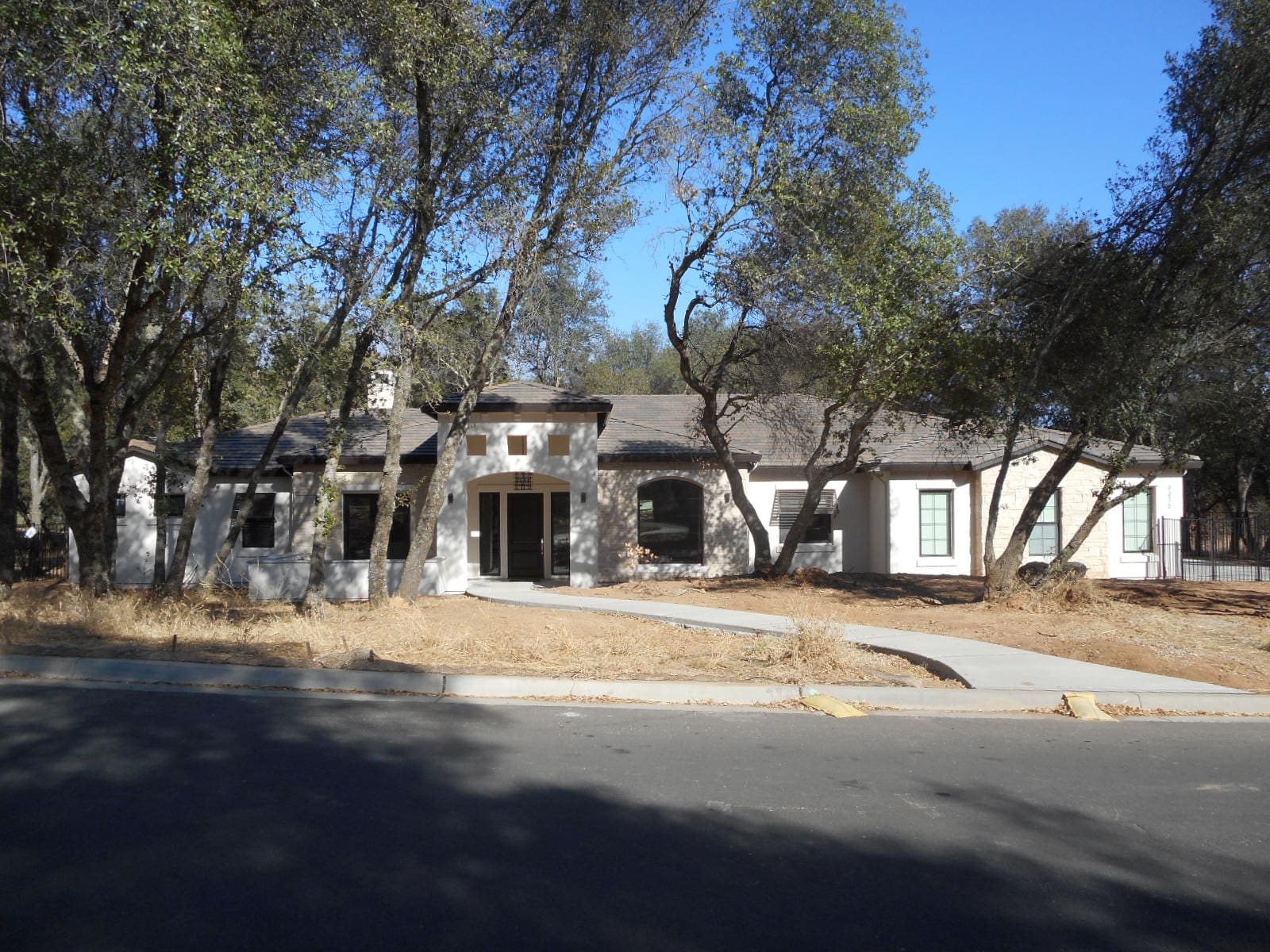
Designing a custom home is exciting. You start imagining the space, the views, the finishes—how it will feel to finally live there.
But there’s one mistake we see over and over again, and it’s usually not intentional.
Homeowners design a house they love—only to discover later they can’t afford to build it.
At DMH Development Corp, we’ve had some difficult but necessary conversations over the years. Not because people weren’t smart or careful—but because construction reality wasn’t part of the design process early enough.
Let’s talk about how this happens—and how to avoid it.
How This Mistake Usually Starts
Most homeowners don’t wake up planning to design a home they can’t afford. What typically happens is this:
- Plans are started before understanding real construction costs
- Budget assumptions are based on outdated or non-local numbers
- Design details are added without realizing their cost impact
- Builders are brought in after plans are already finalized
By the time real numbers are discussed, thousands have already been spent—and the options become limited.
👉 Let us help you figure it out. Contact Tom and Dillon
A Real-World Example (Names Changed)
We were referred by an architect to a couple who had just completed plans for a two-story, 10,000-square-foot home designed as a personal residence and retreat center.
The plans were beautiful. Detailed. Thoughtful.
There was just one problem.
When we asked about their construction budget, the homeowners explained they were comfortable spending $150,000 to $170,000, using savings and avoiding debt.
A quick reality check:
- $170,000 ÷ 10,000 square feet = $17 per square foot
Even on the best day, construction costs in their region were closer to $180–$350 per square foot.
That meant they had about 10% of the budget needed to build the home they had spent a year designing.
They were shocked. And understandably so.
With a bit of early research—or a builder conversation before plans were finalized—they could have avoided months of work and thousands of dollars spent on something that was never going to be feasible.
👉 The lesson: Designing without cost context can quietly derail your project before it ever starts.
Why Builders Can’t “Just Make It Work”
This is something we hear often:
“Can’t a builder figure out how to bring the cost down?”
Sometimes—within reason. But here’s the reality:
- Builders must price what’s shown on the plans
- Structural decisions are hard to undo later
- Layout inefficiencies cost real money
- Certain details can’t be “value engineered” away without redesign
By the time plans are completed, 80–90% of your project’s cost has already been decided on paper.
That’s why bringing a builder in after design often leads to frustration on both sides.
👉 Contact your builder first. Bring in Team DMH today
Another Common Scenario: Over-Designed Plans
We once reviewed a partially completed architectural plan set for a high-end home planned near Lake Travis. The homeowners were aiming to build for $2 million.
On paper, the home looked incredible.
But when we reviewed the details closely, the plans were actually pushing the project closer to $3 million.
Why?
- Decorative stair systems
- Architectural details that looked minor but cost major dollars
- Site features specified without discussion of alternatives
After sitting down with the homeowners and architect, we clarified what was truly important—and what could be simplified.
With those conversations, the project moved back toward the original budget.
👉 The plans weren’t “wrong”—they were just disconnected from cost reality.
Why This Happens So Often
This mistake happens because:
- Designers design
- Builders build
- Homeowners assume someone else is watching the budget
But unless budget is actively managed during design, it doesn’t manage itself.
Architects and draftspersons aren’t responsible for your construction budget unless that responsibility is clearly shared. Builders, on the other hand, live in the world of real numbers every day.
👉 Struggling to find a transparent builder? Contact DMH here
How to Avoid Designing a Home You Can’t Afford
Here’s how to protect yourself early:
1. Understand Realistic Cost Per Square Foot
In Texas Hill Country, costs vary widely based on:
- Terrain and slope
- Structural requirements
- Finish level
- Complexity of design
General online averages rarely tell the whole story.
2. Talk to a Builder Early
Even a short conversation can help:
- Set realistic expectations
- Identify major cost drivers
- Align vision with budget
3. Design With Budget in Mind—Not After the Fact
Budget should guide decisions, not chase them.
It all comes down to design and detail. The slope of your lot, the quality of finishes, structural complexity, and even local labor availability can dramatically shift the price.
👉 21 Factors That Impact Custom Home Costs in the Texas Hill Country
4. Review Plans Actively
Every note, every detail, every callout has a cost attached to it.
Why This Matters Even More in Texas Hill Country
Hill Country properties often come with:
- Steep grades
- Challenging access
- Soil and foundation considerations
- Drainage and erosion planning
These factors magnify design mistakes—and make late-stage corrections even more expensive.
👉 Designing for the land you actually have is just as important as designing the home you want.
Final Thoughts: Reality Protects the Dream
This isn’t about limiting creativity or lowering expectations.
It’s about making sure your dream home:
- Fits your lifestyle
- Fits your land
- Fits your financial comfort zone
- Actually gets built
A builder’s job isn’t to crush the dream—it’s to protect it from becoming a very expensive disappointment.
FAQs: Home Design and Budget Reality
Ideally before plans are finalized. Early input can prevent major redesigns later.
Yes—but redesign costs time and money, and some decisions are harder to reverse.
It can help, but it’s far more effective when done during design—not after.
Absolutely. Small details multiplied across a whole home add up quickly.
Thinking About Building in Central Texas?
If you’re planning a custom home in the Texas Hill Country and want honest guidance on aligning design, budget, and buildability, Dillon and Tom at DMH Development Corp are happy to help.
👉 A short conversation early can save you years of frustration later. Contact Team DMH
Be The First To Comment