
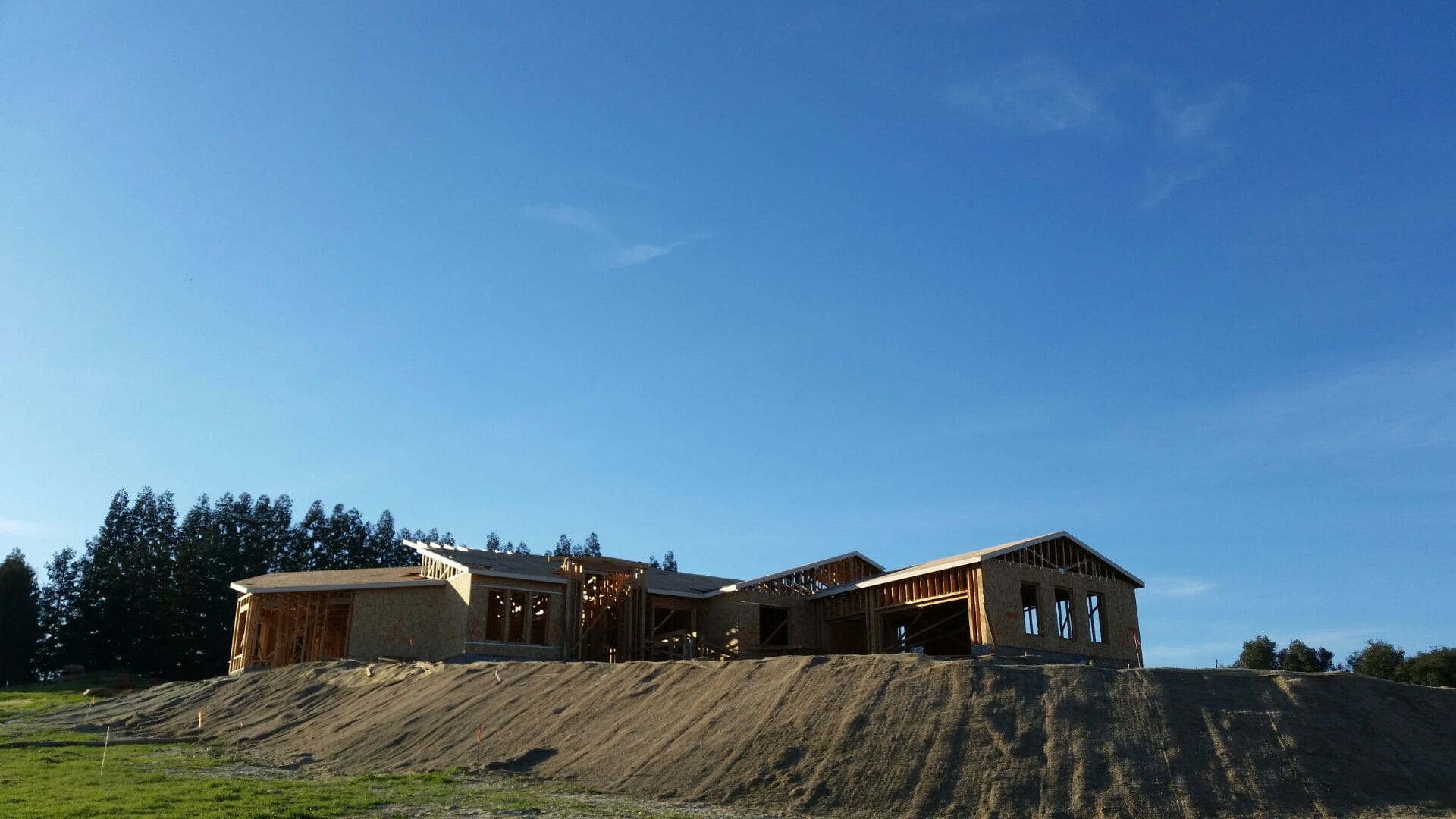
Why Hill Country Foundations Are Different
The Texas Hill Country is known for its beauty — rolling terrain, limestone outcroppings, and mature oak trees. But what makes the land attractive can also make construction more complex and more expensive.
At DMH Development, we always say:
You don’t just build on the Hill Country — you build into it.
Understanding soil and rock conditions early can save tens of thousands of dollars later.
Limestone & Shallow Soil: A Common Combination
Much of the Hill Country sits on limestone with very shallow soil cover. This affects:
- foundation depth
- excavation methods
- septic placement
- utility trenching
- drainage design
In some areas, soil depth may only be a few inches before hitting solid rock.
Types of Foundations Commonly Used
1. Slab-on-Grade Foundations
- Most common
- Works best on flatter lots
- Requires rock cutting on many sites
Cost impact: Rock excavation can double foundation prep costs.
2. Pier & Beam Foundations
- Useful on sloped lots
- Minimizes rock removal
- Allows better drainage flow
Cost impact: Higher framing costs, but often less excavation.
3. Engineered Slab & Pier Systems
- Custom-designed for difficult sites
- Common on hillsides
- Often includes grade beams and piers drilled into rock
Cost impact: Necessary — but not optional — for safety and longevity.
Rock Excavation: What It Really Costs
Rock removal isn’t guesswork — it’s equipment, time, and labor.
Common Rock Removal Methods
- Rock saw cutting
- Hydraulic hammers
- Heavy excavators
One DMH project required removing an 80’ x 15’ x 10’ rock mass, with hammering all day for 12 days, costing $15,000 in excavation alone.
👉 If you see exposed rock, assume additional cost and budget accordingly.
Why Soil Testing Is Non-Negotiable
Most structural engineers require a geotechnical (soil) test before designing the foundation.
Typical Costs
- $400–$800 for testing
- Additional engineering if conditions are complex
What the Test Reveals
- soil bearing capacity
- depth to rock
- moisture conditions
- foundation recommendations
Trying to save money here almost always costs more later.
Sloped Lots & Foundation Complexity
Slope adds:
- taller foundation walls
- stepped slabs
- retaining structures
- drainage systems
We once built a home where the foundation stepped 16 feet down a slope toward a seasonal creek. The flat-lot foundation cost would have been $40,000 — the sloped foundation was $90,000.
Was it worth it? Absolutely — because the owners wanted the view and planned for it upfront.
Drainage, Rock & Water Flow
Hill Country rock doesn’t absorb water — it moves it.
Poor drainage planning can lead to:
- foundation movement
- erosion
- water intrusion
- driveway washouts
Engineered drainage solutions (culverts, swales, boxed inlets) are often required and must be designed for heavy rain events, not dry conditions.
Common Foundation & Soil Mistakes We See
❌ Skipping soil tests
❌ Assuming neighboring lots have the same conditions
❌ Underestimating rock removal costs
❌ Designing before engineering
❌ Ignoring drainage patterns
These mistakes are expensive and completely avoidable.
❓ FAQs: Rock, Soil & Foundations in the Hill Country
1. Is rock always bad for building?
No. Rock provides excellent structural support — it just increases excavation costs.
2. Can I avoid rock excavation?
Sometimes, with pier-and-beam or elevated designs — but engineering determines feasibility.
3. How much extra should I budget for rock?
Anywhere from $5,000 to $30,000+, depending on exposure and scope.
4. Are engineered foundations really necessary?
Yes. Hill Country conditions demand proper engineering for safety and longevity.
5. Does slope always increase foundation costs?
Almost always — but it can be worth it for views and privacy if planned properly.
6. Can drainage issues be fixed later?
Fixing drainage after construction is far more expensive than doing it correctly upfront.
7. Should foundation issues affect my lot offer price?
Absolutely. Known rock or slope challenges should factor into negotiations.
🏗️ Want to Know What Your Lot’s Foundation Will Really Cost?
DMH Development offers a $500 Lot Analysis Service to evaluate:
- soil and rock conditions
- foundation feasibility
- excavation and drainage risks
- realistic budget expectations
👉 Text or email us before you buy — and build smarter from day one.
Be The First To Comment