
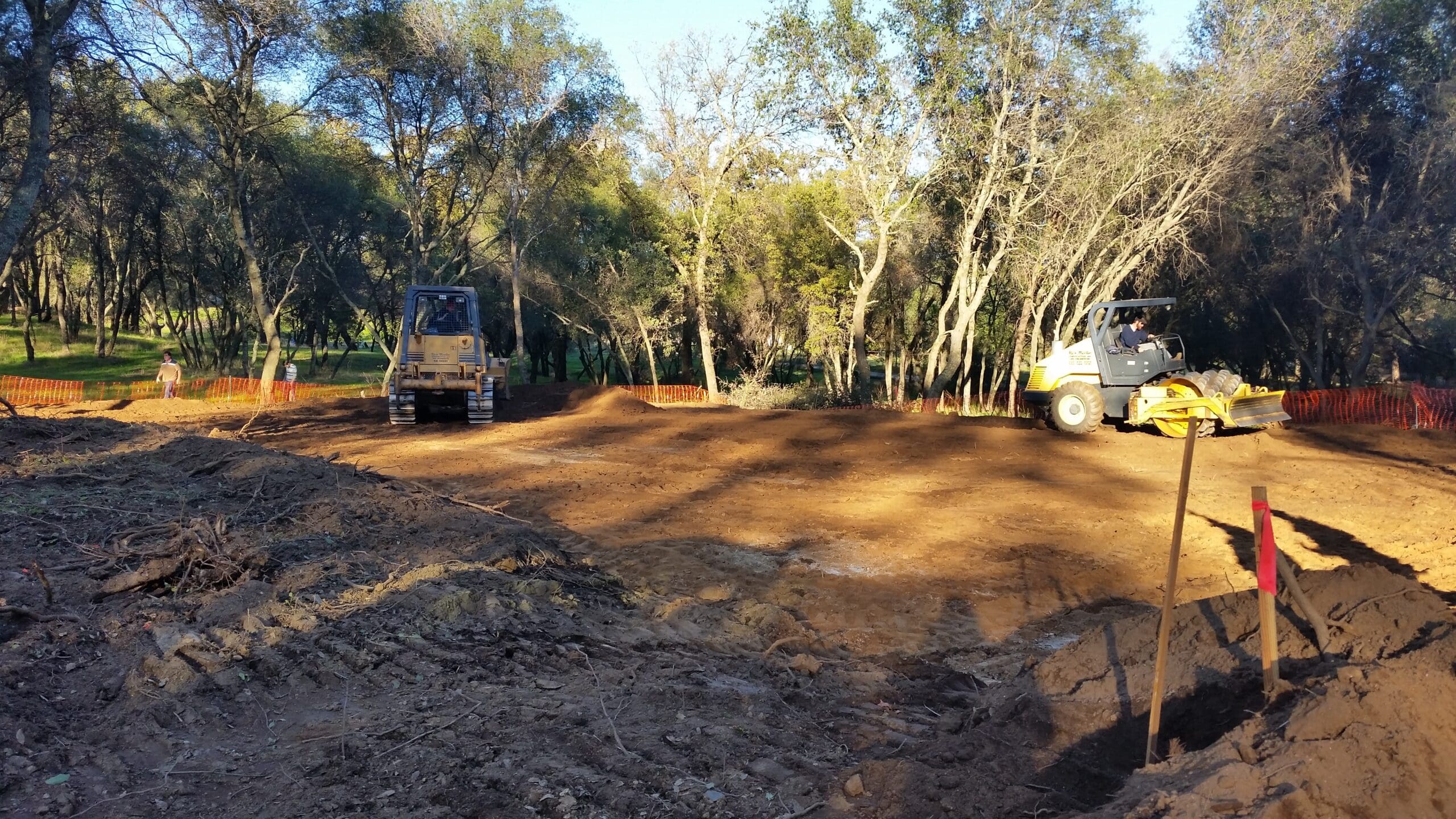
The old realtor saying goes,
“There are two types of foundations in Texas—one that needs foundation repairs and one that will need foundation repairs soon.”
And if you’ve lived in Texas long enough, you know this saying holds a lot of truth.
The state of Texas requires builders to follow construction standards set by the IRC International Residential Code. However, in many unincorporated areas, owners and builders aren’t required to obtain any building permits at all. Some properties fall under Homeowners Associations (HOAs), which may require a few basic plans and a fee, but beyond that, many homes are built with little oversight.
For example, in Comal County, the only permits required are:
- A Health Permit for a septic tank
- A Right of Way Permit to connect your driveway to the county road
At first glance, this sounds like a great cost-saving opportunity—no need for foundation plans, framing plans, or inspections. No delays waiting for foundation pre-pour and final pour inspections. No extra expenses on engineering approvals.
But here’s the harsh reality: Skipping engineered foundation plans can cost you hundreds of thousands of dollars.
The Harsh Reality of Texas Foundations
Texas is home to some of the most unpredictable soil conditions in the country. Two lots, just a couple of miles apart, can have entirely different terrain. Some areas are flat and flood-prone, while others are built on steep slopes with rock formations like limestone and granite.
Your foundation is quite literally the base of your dream home—everything ties back to it. And yet, if you don’t have engineered structural foundation plans, you’re gambling with the long-term stability of your home.
What Happens When You Skip Engineered Foundation & Framing Plans?
Without engineered plans, your home’s foundation is left to the best guess of the foundation contractor. And while many contractors are highly skilled, they aren’t structural engineers with the math background to calculate loads, pressures, and reinforcement needs.
Consider this:
- What if your home sits on a steep slope?
- What if your soil is expansive clay instead of solid rock?
- How does your builder ensure the foundation is anchored properly?
Real-World Example: When a House Starts Sliding Downhill
Here’s a real-life cautionary tale.
In a subdivision where we own a few lots and have built several homes, an out-of-state owner hired a contractor to build their house. The problem?
👉 They had no engineered foundation or framing plans—just some light sketches.
By the time the home reached the framing stage, the entire foundation had shifted downhill by about a foot. The owner soon realized the problem and halted construction.
A year later, after sinking $250,000 into the project, the entire foundation and lumber had to be removed, leaving nothing but a vacant lot.
👉 The lesson? Cutting corners on engineering plans can cost you everything.
The Importance of Soil Testing for Foundations
At this point, you might be thinking,
“Do I really need to pay $350 to $700 for a soil test?”
The answer? Absolutely.
Your home’s foundation design depends entirely on the type of soil underneath it. There’s a huge difference between building on shifting soil versus solid rock, and to the untrained eye, they might look exactly the same.
A soil test provides critical information that determines:
✅ What type of foundation design you need
✅ Whether additional reinforcements (like piers) are necessary
✅ How your foundation will respond to seasonal soil movements
Skipping this step means leaving the safety of your home up to guesswork. And in homebuilding, guessing is never a good strategy.
Permits & Regulations: What Texas Homeowners Need to Know
In some parts of Texas, homeowners and builders must follow strict building codes. In others, there are little to no regulations.
For example, Comal County only requires a septic and driveway permit—nothing for the actual home structure itself. While this seems like a cost-saving perk, it also means there are zero mandatory inspections to ensure your foundation is safe.
If you’re building in an HOA community, check with your Homeowners Association to see if they require plans for approval. Some HOAs enforce strict architectural guidelines, while others only ask for a basic sketch.
💡 The Bottom Line: Just because a permit isn’t required, doesn’t mean you should skip engineering plans.
How to Ensure a Strong, Long-Lasting Foundation
So, what’s the right way to approach your foundation?
1. Hire an Experienced Builder from the Start
Find a builder who understands soil conditions and insists on engineered plans—not one who tries to convince you they’re unnecessary.
2. Get Structural Foundation & Framing Plans
Your foundation and framing should be designed by a licensed structural engineer and built according to engineered specifications. This ensures proper load calculations, reinforcement, and anchoring methods are used.
3. Have Your Plans Reviewed & Inspected
Just having a set of plans isn’t enough—make sure your builder follows them to the letter. Structural engineers should inspect and certify that your home is built exactly as designed.
Frequently Asked Questions (FAQ) About Texas Foundations & Homebuilding
1. Why do Texas homes have so many foundation problems?
Texas has expansive clay soils that shrink and swell with moisture changes. This movement puts stress on foundations, leading to cracks and shifting over time. Additionally, many homes are built without engineered foundation plans, increasing the risk of structural failure.
2. Do I really need an engineered foundation plan if my area doesn’t require one?
Yes! Even if it’s not legally required, an engineered foundation plan ensures your home is built for long-term stability. Without it, your home’s foundation is left to the judgment of a contractor who may not have the structural math skills to calculate proper load-bearing requirements.
3. How much does a soil test cost, and is it really necessary?
A soil test typically costs between $350 and $700, depending on the site conditions. It is one of the best investments you can make before building. Soil conditions directly affect foundation design, and without a soil test, your foundation could be built incorrectly, leading to costly repairs later.
4. What happens if my foundation starts shifting after construction?
If your foundation shifts, you may notice cracks in walls, doors that won’t close properly, and uneven floors. Fixing foundation issues after construction can cost anywhere from $10,000 to $100,000+, depending on severity. That’s why getting it right from the start with an engineered plan is so critical.
5. What permits do I need to build a home in unincorporated Texas areas?
Many unincorporated areas do not require building permits. However, you may still need:
- A Health Permit (for a septic system)
- A Right of Way Permit (for driveway access)
- Approval from a Homeowners Association (HOA), if applicable
Even if permits aren’t required, following best building practices—like getting engineered plans—is crucial.
6. What’s the difference between a general contractor and a structural engineer?
A general contractor oversees construction but may not have formal training in structural load calculations. A structural engineer is trained to analyze soil conditions, design load-bearing structures, and ensure a foundation can withstand environmental factors.
For foundation safety, you need both—a structural engineer to design and certify the plans and a qualified contractor to execute them properly.
7. How can I tell if a builder is cutting corners on my foundation?
🚩 Red flags that your builder may be cutting corners:
- They say, “You don’t need engineered plans.”
- They don’t require a soil test before designing the foundation.
- They avoid discussing reinforcements, anchoring, or inspections.
- They claim engineered plans “cost too much” and try to talk you out of them.
A good builder will prioritize structural safety over saving a few bucks upfront.
8. Can I add a foundation to an existing home if it wasn’t built correctly?
In some cases, yes—but it’s extremely expensive. Retrofitting a foundation often involves:
✔ Installing concrete piers or steel reinforcements
✔ Lifting the home to re-level the structure
✔ Excavating around the home to install proper drainage
This process can cost tens of thousands of dollars, making it far better to build the right foundation from the beginning.
9. How can I find a trustworthy builder for my home?
Look for a builder who:
✅ Has experience in your specific area and soil type
✅ Works with structural engineers to develop foundation and framing plans
✅ Has positive reviews and verifiable past projects
✅ Is upfront about costs and doesn’t try to talk you out of engineered pl
10. What should I do if I already started building without an engineered foundation plan?
If you’re still in the early stages, pause construction and consult a structural engineer. They may be able to assess the foundation and recommend modifications before the home is fully built. If construction is complete, monitor for signs of foundation problems and be proactive in addressing any issues before they become severe.
Final Thoughts: Protect Your Investment
Building a home is an exciting, rewarding experience. But it’s also a process that requires careful planning and the right team of professionals to ensure your investment stands strong for decades.
If your builder or plan designer tells you:
“You don’t need engineered plans—they’re not required, and they’ll just run up your costs.”
🚨 That’s a red flag. 🚨
👉 Please, do not leave the long-term structural safety of your home to highly skilled craftsmen who lack the proper engineering background to calculate structural loads.
Got Questions? We’re Here to Help!
If you have questions about foundation engineering, or any other homebuilding topic, we’d love to hear from you!
📩 Email us at dmhdevcorp@gmail.com
📝 Subject Line: Blog Question
Happy Homebuilding Trails! 😎🍀☝️
Be The First To Comment