
Introduction
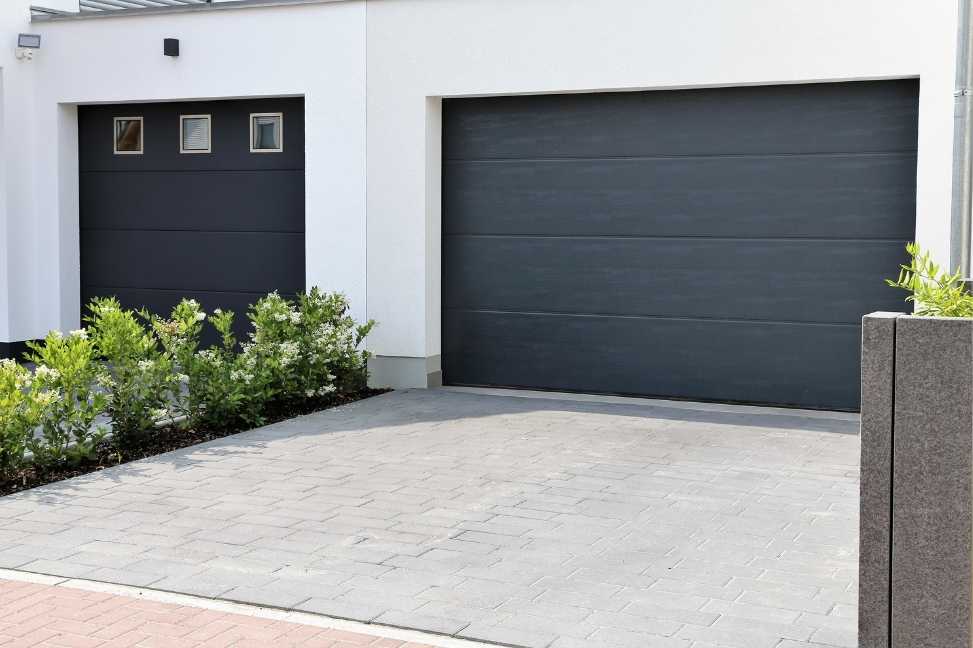
Designing your dream home? Don’t forget the garage. While many homeowners obsess over kitchens, bedrooms, and open floor plans, the simple garage design often ends up being a last-minute decision—an afterthought. But here’s the kicker: that space where you park your car, store tools, and maybe even hang out, can significantly impact the usability and resale value of your home.
Let’s break down why garage planning deserves more than a passing glance and how you can avoid the common pitfalls by going beyond the “production builder” standard.
Why Your Garage Deserves More Thought Than You Think
A well-designed garage isn’t just a parking space—it’s a lifestyle upgrade. Yet, most people ask, “What’s the standard size?” and settle for the basic 20′ x 20′. But standard isn’t always smart.
In reality, this size barely accommodates two vehicles, leaving virtually no space for storage, workbenches, or even comfortably opening car doors. Worse yet, homeowners often realize the flaw after they’ve moved in.
The Standard Garage Trap: Why 20×20 Might Be Too Small
Most production builders opt for compact garage sizes to keep home prices competitive. A 20’x20’ garage with an 8’ ceiling and a 16’x6’8” door is the go-to spec. It meets basic expectations—on paper.
But here’s the problem: these garages are too tight for comfort. Two average sedans might squeeze in, but anything larger like an SUV or pickup truck turns the garage into a claustrophobic space. Forget storing bikes, seasonal décor, or tools—there’s simply no room.
Think Bigger: Ideal Garage Dimensions for Comfort and Storage
Let’s talk numbers. If you’re building your dream home, invest in dimensions that match real-life needs:
- Width: Go with 22’ minimum, 24’ is even better
- Depth: At least 24’, more if you have a long-bed truck
- Ceiling Height: 10’ instead of the standard 8’ for flexibility
These upgrades make a world of difference. Whether it’s wall-mounted storage racks or a lifted SUV, these extra feet are future-proofing at its finest.
Choosing the Right Garage Door: Size and Style Matter
Garage door specs are often ignored until it’s too late. The standard 6’8” height just doesn’t cut it anymore. Opt for a door that’s 16’ wide and 8’ high. Why?
- Accommodates taller vehicles
- Offers visual balance on the home’s exterior
- Prevents future regrets
Avoid odd step-down garage doors, especially if you’re adding a third bay. Keep the symmetry tight and the design professional.
Why Sidewinder Garage Door Openers Are Worth It
Say goodbye to noisy chain drives and bulky ceiling rails. For around $300 more, a sidewinder opener offers:
- Sleek, open ceiling aesthetics
- Quiet, belt-driven performance
- More room for overhead storage
It’s a small price for a huge lifestyle improvement. Trust us, you won’t go back.
Drywall or Bare Walls? What to Finish in Your Garage
Some builders skip drywall altogether to cut costs. That’s a mistake.
We strongly recommend:
- Sheetrock with taped and textured “light orange peel” finish
- Painted walls for a polished look
It’s not just about aesthetics. Finished walls improve fire safety and temperature control, especially if you plan to insulate.
Planning for More Vehicles: Three- and Four-Car Garage Options
Thinking about a third or fourth bay? Here’s what to know:
- Always match door heights for exterior balance (all doors should be 8’ tall)
- For a four-car garage, duplicate the two-car layout side by side
- You can trim the middle section by 2’ if needed, as the center doesn’t require as much clearance
Functionality meets form when the design is intentional—not just “extra space” bolted onto your home.
Final Recommendations for a Simple Garage Design That Works
Here’s your quick-hit checklist:
| Feature | Recommendation |
|---|---|
| Width | 22’–24’ |
| Depth | Minimum 24’ |
| Ceiling Height | 10’ |
| Garage Door | 16’ wide x 8’ high |
| Garage Opener | Sidewinder |
| Finish | Drywall, tape, light texture, paint |
Design smart from the beginning, and your future self will thank you every time you park your car, pull out your holiday bins, or just walk through a clean, organized space.
FAQs
What is the best garage size for two cars?
The best dimensions are 24’ wide x 24’ deep. This allows for comfortable parking and extra space for storage or hobbies.
Can I fit a truck with a trailer hitch in a 24’ garage?
Most standard trucks will fit, but if yours has an extended cab and hitch, measure carefully. You may need 26’.
Is an 8-foot ceiling enough?
Not really. A 10-foot ceiling provides better lighting, vertical storage, and clearance for SUV hatches or taller trucks.
Why should I drywall my garage?
It looks cleaner, adds fire protection, and makes insulation easier. Plus, it’s easier to finish later if you convert part of the garage.
Do I need a three-car garage?
If you have multiple drivers or expect to add a vehicle, yes. Even a third bay used for storage is a smart choice.
What are the benefits of a sidewinder garage door opener?
It frees up ceiling space, operates quietly, and improves the overall look of your garage interior.
Conclusion
Building your dream home means building it right the first time—including the garage. A thoughtful simple garage design doesn’t have to break the bank, but it can make your everyday life significantly smoother. Whether you’re a “garage guy” or not, your future self will appreciate the extra space, cleaner finishes, and smarter features.
For custom design support, reach out to us at dmhdevcorp@gmail.com with the subject line: “Blog Question,” or visit our website to schedule a free consultation.
Be The First To Comment