
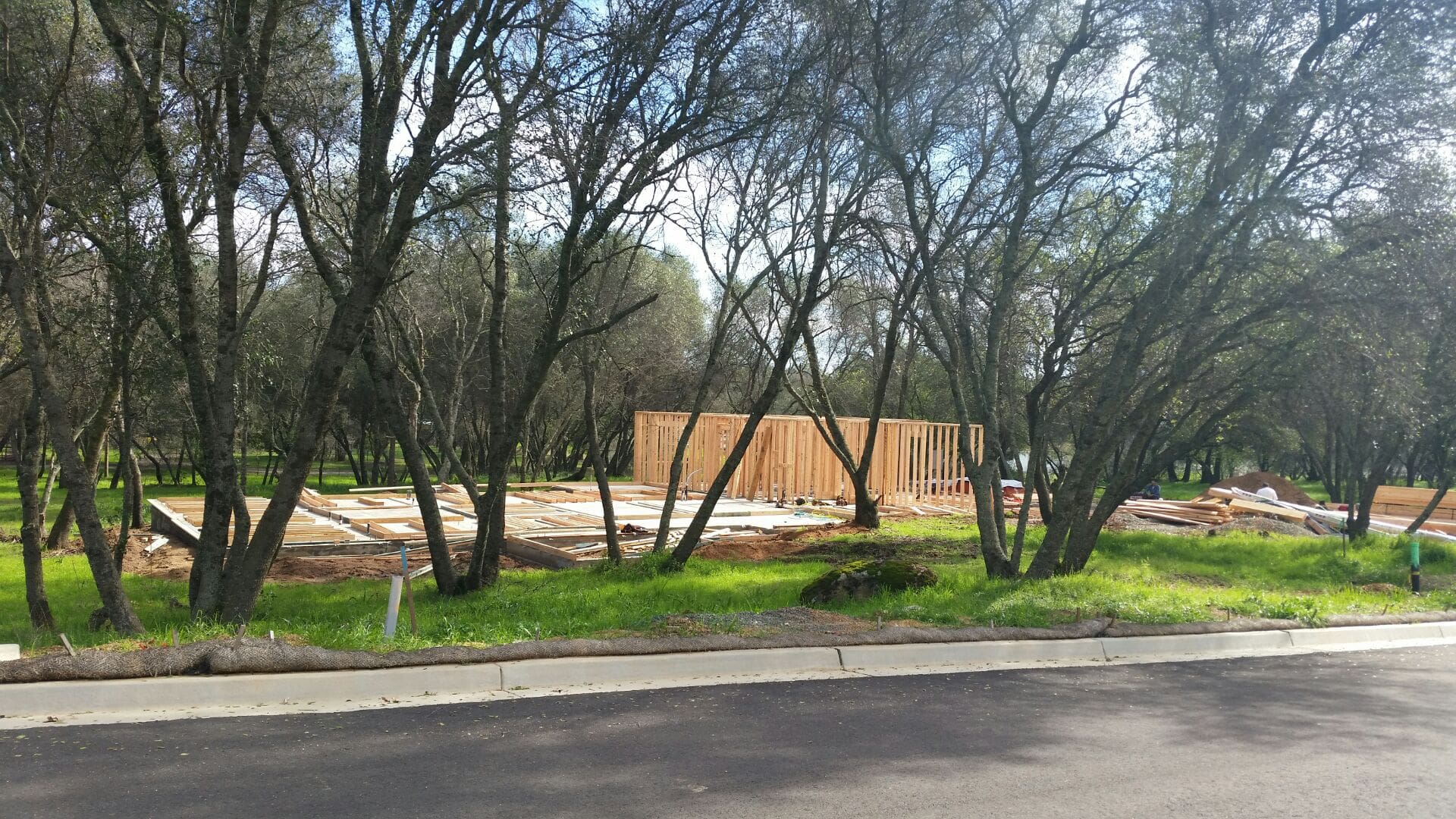
Why a Lot That Looks Perfect Can Still Be a Bad Buy
Hill Country land is beautiful — but beauty doesn’t equal buildability.
Some of the most affordable-looking lots end up being the most expensive to build on once you factor in:
- rock excavation
- septic requirements
- utilities
- drainage
- permits and HOAs
At DMH Development, we’ve walked hundreds of Hill Country lots, and the difference between a smart buy and a costly mistake usually comes down to what was evaluated before closing.
The Texas Hill Country Lot Analysis Checklist
Use this checklist before making an offer — not after.
1️⃣ Location & Neighborhood Fit
Ask yourself:
- Does the home I want fit the neighborhood?
- Am I overbuilding or underbuilding for the area?
- Are nearby homes similar in size and quality?
Overbuilding hurts resale. Underbuilding hurts enjoyment — and sometimes neighbor relationships.
2️⃣ Terrain & Slope
Look beyond the view.
Consider:
- steep slopes
- elevation changes
- foundation height requirements
- retaining walls
Sloped lots are not bad — they just cost more to build on.
3️⃣ Driveway Length & Access
Driveway costs vary widely based on:
- length
- slope
- rock
- materials (asphalt vs concrete)
A 16’ x 100’ driveway can range from $9,000 to $30,000+.
Also confirm:
- right-of-way permits
- county or FM road access restrictions
4️⃣ Electric Service Availability
Verify:
- nearest service point
- overhead vs underground options
- estimated connection costs
Never assume electric is “close enough.”
5️⃣ Water Source: Company or Well
Determine:
- water company availability and fees
- well depth and cost estimates
- condition of any existing well
Always inspect existing wells before purchase.
6️⃣ Sewer or Septic Feasibility
Ask early:
- Is sewer available?
- If septic is required, what type?
Budget ranges:
- $15,000–$25,000 for typical septic
- $30,000–$50,000+ for engineered systems
👉 Septic feasibility can make or break a lot.
7️⃣ Soil & Rock Conditions
Watch for:
- exposed limestone
- shallow soil depth
- need for hammering or saw cutting
Budget for:
- soil tests ($400–$800)
- engineered foundation design
Never skip engineering.
8️⃣ Drainage & Water Flow
Identify:
- seasonal creeks
- swales and ravines
- upstream water flow
Drainage solutions may include:
- culverts
- boxed inlets
- engineered crossings
Costs can range from a few thousand to $90,000+.
9️⃣ Utilities Beyond Power & Water
Confirm:
- internet availability and speed
- phone and cable service
- propane vs all-electric options
Starlink has become a popular solution in rural areas — but verify line of sight.
🔟 HOAs, CCRs & Design Restrictions
Before you buy:
- get the CCRs
- confirm minimum square footage
- verify exterior requirements
- understand approval timelines
“No HOA” isn’t always a benefit.
1️⃣1️⃣ Permits & Jurisdiction
Confirm:
- city vs county jurisdiction
- inspection requirements
- permit fees and timelines
City builds typically cost more and take longer.
Common Lot Evaluation Mistakes
❌ Falling in love with the view first
❌ Designing before feasibility checks
❌ Assuming nearby lots are similar
❌ Budgeting for construction only
❌ Ignoring long-term resale considerations
These mistakes are avoidable — with the right process.
❓ FAQs: Evaluating Hill Country Lots
1. Should I evaluate a lot before making an offer?
Yes. Many costs can be used in price negotiations.
2. Is cheap land usually more expensive to build on?
Often, yes — due to hidden infrastructure costs.
3. Can a lot be unbuildable?
Yes. Septic, drainage, or access issues can prevent construction.
4. How long does a lot analysis take?
Typically a few days to a week, depending on complexity.
5. Is professional help worth it?
Absolutely. One mistake can cost far more than the analysis.
🏡 DMH Lot Analysis Service: Know Before You Buy
For $500, DMH Development will help you evaluate:
- build feasibility
- utilities and septic
- foundation and drainage risks
- realistic construction costs
👉 Text or email us before you close — and buy land with confidence.
Be The First To Comment