
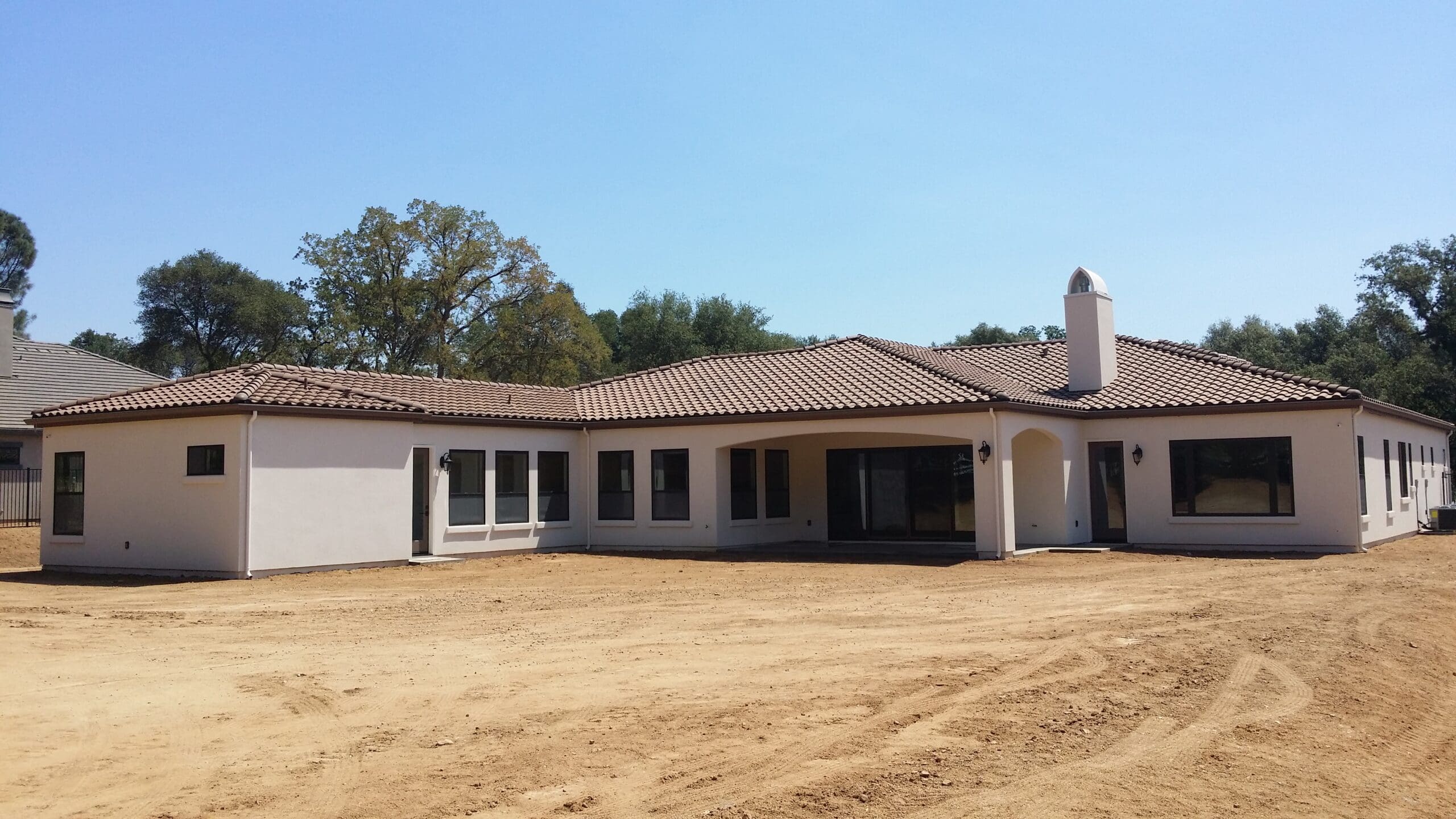
Why Utility Costs Catch Hill Country Buyers Off Guard
One of the biggest surprises for first-time Hill Country builders is how much utilities can add to a construction budget. Many lots appear “ready to build,” but distance from service lines, terrain, and local regulations can quickly drive up costs.
At DMH Development, utility planning is one of the first things we evaluate during a lot walk — because once your home design is finished, it’s often too late to make easy changes.
⚡ Electrical Service: What to Expect
If your lot has nearby power, start by visiting the local electric provider with an assessor’s parcel map.
Typical considerations:
- 200-amp service is standard for most homes
- Larger homes or workshops may require 300–400 amp service
- Underground power costs 50–100% more than overhead
- Distance from transformer impacts price
Typical electrical costs:
- Basic connection: $2,500–$5,000
- Long underground runs: $10,000–$25,000+
Underground service looks cleaner and avoids pole lines but must be budgeted early.
💧 Water Service: Utility vs. Well
Municipal or Community Water
If a water company services your area, connection is usually straightforward:
- Tap and meter fees vary by provider
- Distance from main line affects trenching cost
Typical range: $2,500–$8,000
Private Wells
Many Hill Country homes rely on wells.
Important steps:
- Inspect existing wells for capacity and condition
- If drilling a new well, consult a local well driller
Typical cost: $15,000–$35,000+ depending on depth and equipment
🚽 Sewer vs. Septic Systems
Sewer Service
If sewer is available:
- You’ll pay a connection fee
- You may need to cut into the road or right-of-way
- Deeper sewer mains can significantly increase cost
Septic Systems (Most Common)
Most rural Hill Country lots require septic.
Budget expectations:
- Septic design/engineering: $1,000–$1,500
- Installation: $15,000–$25,000 for a 2,500 sq. ft. home
DMH Tip: Hire your own septic engineer so you can shop installation pricing.
🔥 Gas: Propane or All-Electric?
Natural gas is uncommon in rural Hill Country areas.
Propane
- Above-ground 250-gallon tank: ~$2,500
- Underground installation: $3,500–$5,000
- Ongoing propane refills required
All-Electric Homes
Modern electric appliances and HVAC systems have made all-electric homes more affordable and efficient.
- No propane deliveries
- Lower maintenance
- Simplified utility planning
Many DMH-built homes are fully electric with reasonable monthly costs.
🌐 Internet, Phone & Cable
Availability varies widely in rural areas.
What to check:
- Distance from existing lines
- Service speed (especially if working remotely)
- Cost to extend lines to your lot
In some cases, homeowners rely on:
- fixed wireless
- satellite internet
- cellular boosters
Always verify service before buying.
🧭 How Utilities Affect Home Placement
Utility locations influence:
- where your home sits on the lot
- driveway routing
- foundation depth
- septic field placement
Designing a home without utility planning can force expensive redesigns.
❓ FAQs About Utility Costs in the Hill Country
1. How much should I budget for utilities before building?
Most Hill Country homeowners spend $25,000–$75,000+ depending on lot conditions and service availability.
2. Are underground utilities worth the cost?
Yes for aesthetics and long-term durability, but expect higher upfront costs.
3. Can utility costs be negotiated when buying land?
Sometimes. If utilities are far away or difficult to install, you may be able to negotiate a lower purchase price.
4. Can I install utilities myself to save money?
Some trenching may be owner-managed, but most connections must be completed or approved by licensed professionals.
5. Should utilities be planned before or after house design?
Always before. Utility placement affects nearly every aspect of site planning.
6. Does DMH help with utility planning?
Yes. DMH evaluates utility access, placement, and cost during our lot analysis service.
📞 Need Help Estimating Utility Costs on Your Lot?
DMH Development offers a $500 Lot Analysis Service that includes utility feasibility, septic planning, driveway evaluation, and buildability review.
👉 Text or email us today to schedule your lot walk and plan with confidence.
Be The First To Comment