
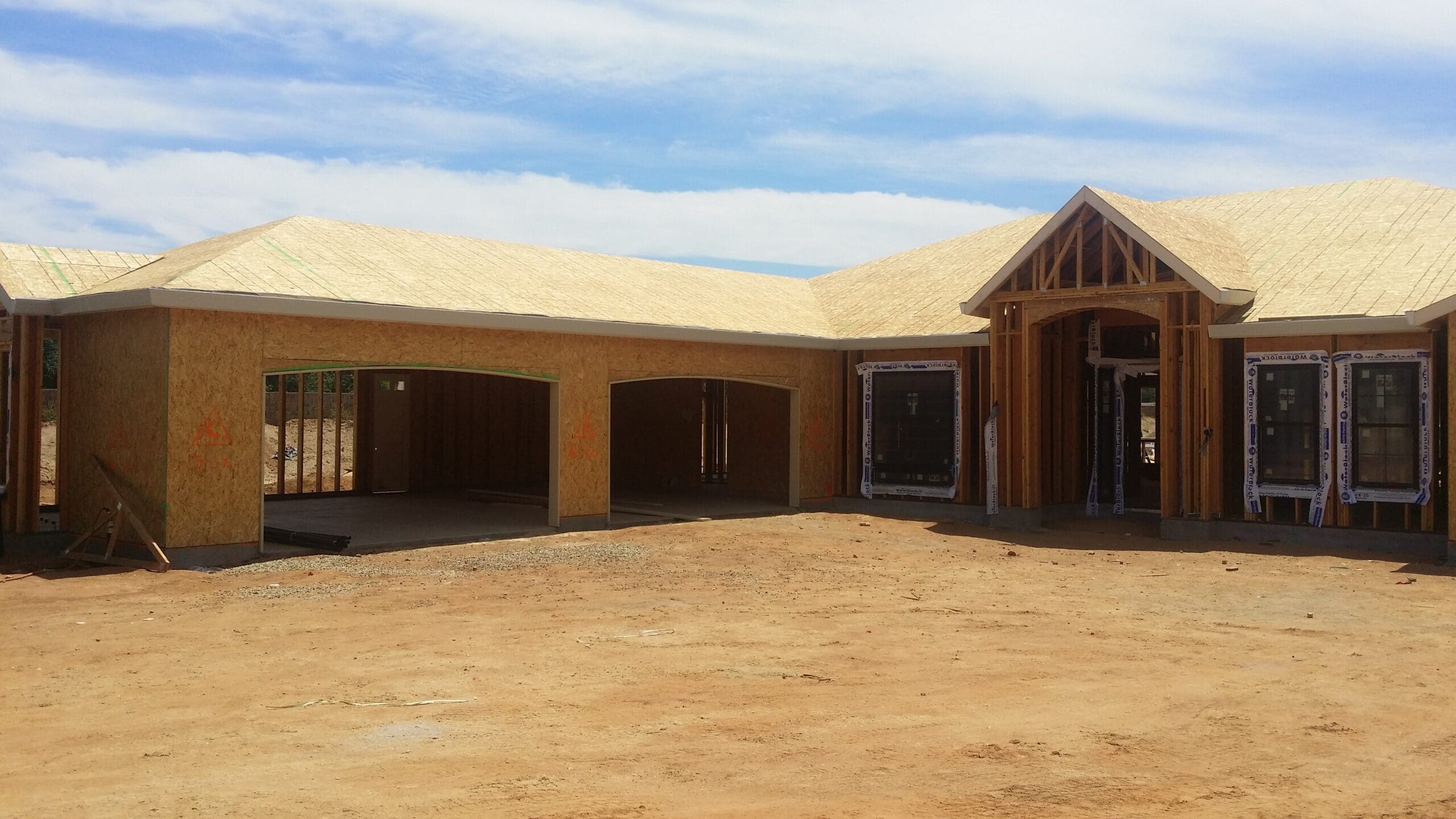
Why Septic Planning Is Critical in the Hill Country
If you’re building outside city limits in the Texas Hill Country, there’s a very good chance your home will require a septic system. Septic planning is often overlooked early in the process, yet it can dramatically affect where your home sits, how it’s designed, and what it ultimately costs to build.
At DMH Development, septic feasibility is one of the first things we evaluate when walking a lot — because once a home is designed, septic constraints can force costly redesigns.
When Septic Is Required vs. Sewer Service
Some neighborhoods near Canyon Lake or in newer developments offer sewer connections. However, most rural Hill Country lots rely on septic systems.
Sewer Service
- Requires a connection fee
- May involve road cuts and deep trenching
- Gravity-fed systems can be extremely expensive if the home is far below the sewer main
Septic Systems
- Installed entirely on your property
- Designed based on soil, slope, and home size
- Must meet county and state health regulations
For most Hill Country buyers, septic is the more practical option — if planned correctly.
Types of Septic Systems Used in the Hill Country
The type of septic system required depends on soil conditions, lot size, and slope.
1. Conventional (Gravity-Fed) Systems
- Most affordable option
- Requires suitable soil depth and drainage
- Typically used on flatter lots
Cost range: $15,000–$20,000
2. Aerobic Septic Systems
- Common in rocky or shallow soil areas
- Uses oxygen to break down waste
- Requires electricity and routine maintenance
Cost range: $20,000–$30,000+
3. Low-Pressure Dosing (LPD) Systems
- Used when soil absorption is limited
- Distributes wastewater evenly
- Often required on sloped or constrained lots
Cost range: $25,000–$35,000+
4. Engineered or Specialty Systems
- Required for difficult lots
- Designed by a licensed septic engineer
- Used where soil depth, slope, or space is limited
Cost range: $30,000–$50,000+
Why Soil Conditions Matter So Much
Hill Country soil is often shallow and sits directly over limestone. This affects:
- absorption rates
- trench depth
- system selection
A soil evaluation determines:
- what type of system is allowed
- how large the drain field must be
- where it can be placed on your lot
Without proper testing, buyers risk purchasing land that’s far more expensive to develop.
Septic Design: Why You Should Hire Your Own Engineer
For approximately $1,000–$1,500, a licensed septic engineer can design a system specifically for your lot.
Why this matters:
- You own the septic plan
- You’re not locked into one installer
- You can shop for competitive pricing
- Your home placement stays flexible
Some septic installers bundle design and installation — but that often limits your options.
How Septic Impacts Home Placement
Your septic system determines:
- where your home can sit
- where patios and pools can go
- how the driveway is routed
- future expansion options
Drain fields must remain accessible and cannot be built over. This alone can eliminate otherwise perfect home layouts.
Common Septic Mistakes We See
❌ Designing the home before confirming septic feasibility
❌ Assuming neighboring systems will work on your lot
❌ Ignoring slope and drainage flow
❌ Locking into one installer too early
❌ Underestimating long-term maintenance costs
These mistakes can add tens of thousands of dollars later.
❓ FAQs About Septic Systems in the Texas Hill Country
1. How much does a septic system cost in the Hill Country?
Most homeowners spend $15,000–$30,000, but difficult lots can exceed $40,000.
2. Can I choose any septic system I want?
No. The system type is dictated by soil conditions, slope, lot size, and county regulations.
3. How long does a septic system last?
With proper maintenance, most systems last 20–30 years or longer.
4. Can a septic system affect resale value?
Not negatively if properly designed and maintained. In rural areas, septic systems are standard.
5. How often does an aerobic system need maintenance?
Typically 2–4 inspections per year, depending on county rules.
6. Can I place a pool over a septic drain field?
No. Permanent structures cannot be placed over drain fields or reserve areas.
7. Should septic be evaluated before I buy land?
Absolutely. A lot that can’t support septic may be unbuildable or extremely costly.
📞 Need Help Evaluating Septic Feasibility on Your Lot?
DMH Development offers a $500 Lot Analysis Service that includes septic feasibility, soil considerations, home placement guidance, and cost forecasting.
👉 Text or email us today to walk your lot and avoid costly surprises before you build.
Be The First To Comment